Understanding the Role of Aussteller in Trade Shows
The term Aussteller is synonymous with success in the trade show world, referring to exhibitors who showcase products and services to potential customers. The role of an Aussteller is pivotal in connecting businesses, enhancing visibility, and fostering relationships that can lead to lasting partnerships. In today's competitive landscape, understanding the dynamics of being an Aussteller is essential for anyone looking to maximize their return on investment during trade events. As industry trends shift and new technologies emerge, the responsibilities and opportunities for Aussteller become increasingly complex, necessitating a comprehensive grasp of best practices and strategies. When exploring options, Aussteller provides comprehensive insights into effective participation in trade shows.
What is an Aussteller?
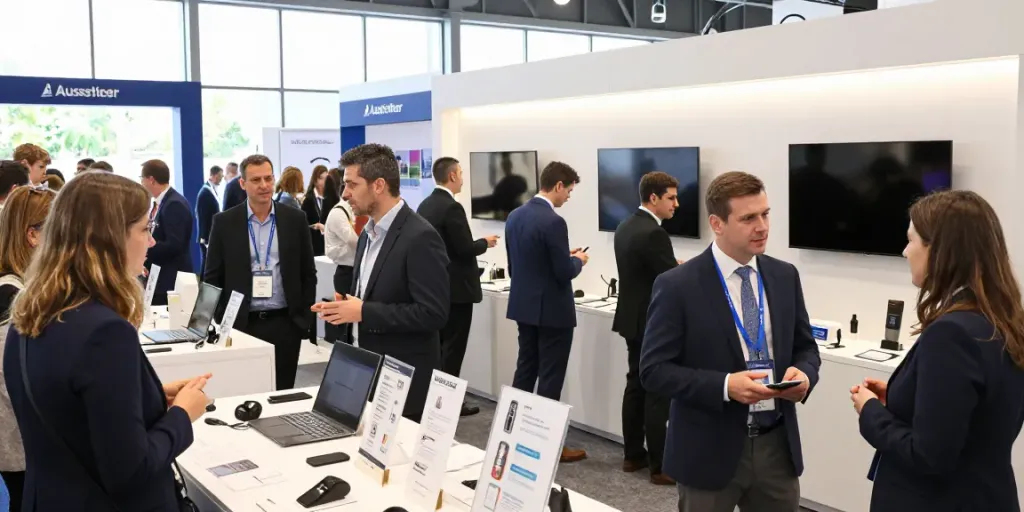
An Aussteller, or exhibitor, primarily refers to an individual or entity that presents products or services at an exhibition or trade fair. Typically, Aussteller engage potential customers, network with industry peers, and generate leads, making them integral to the overall success of trade shows. They can range from small businesses to large corporations, each bringing unique offerings to the marketplace.
The Importance of Aussteller for Business Networking
Networking is one of the most significant advantages of participating in trade shows. Aussteller provide invaluable opportunities for businesses to connect with new clients, suppliers, and partners. By showcasing their offerings, they can engage in meaningful conversations, gather feedback, and identify market trends that affect their industries. Ultimately, these connections can lead to increased sales, collaborations, and shared experiences that enhance their brand presence.
Trade Show Participation: Key Benefits for Aussteller
- Increased Visibility: Being an Aussteller elevates a company's profile within its industry.
- Lead Generation: Trade shows attract targeted audiences, making it easier to collect business leads.
- Market Research: Aussteller can gain insights into competitors and customer preferences.
- Brand Awareness: Demonstrating products to a captive audience helps build brand awareness and loyalty.
- Product Launch Opportunities: Trade shows provide a platform to unveil new products and attract attention.
Challenges Faced by Aussteller in Today's Market
Common Obstacles in Trade Show Participation
Despite the many benefits, Aussteller often encounter challenges that can hinder their performance at trade shows. High costs associated with booth design, transportation, and promotional materials can deter participation. Additionally, fierce competition from other exhibitors means that standing out can be quite difficult. Moreover, the uncertainty surrounding attendance numbers can raise questions about the potential return on investment.
Misconceptions About Aussteller Roles
Many misconceptions about the role of Aussteller exist, with some believing that merely existing at a booth guarantees success. In reality, effective engagement strategies and active participation are crucial. An Aussteller must proactively work to draw in attendees, create engaging presentations, and foster dialogue to reap the benefits of trade shows fully.
Overcoming Challenges: Strategies for Success
To overcome these challenges, Aussteller should focus on detailed planning and strategy. This includes budgeting for all aspects of participation, investing in eye-catching booth designs, and ensuring staff is well-trained in both product knowledge and customer interaction. Additionally, leveraging social media and pre-event marketing can help attract attendees to their booth.
Best Practices for Aussteller Engagement
Effective Booth Design and Layout
The design and layout of a trade show booth are critical to attracting attendees. An effective booth should be visually appealing, clearly convey the brand message, and facilitate interaction. Use of space should encourage movement and engagement, such as providing areas for product demonstrations or seating for discussions.
Creating Inviting Demonstrations and Presentations
Engaging audiences through live demonstrations or presentations can significantly impact the interest level at a booth. Aussteller should create compelling content that showcases product features and benefits, employs storytelling, and encourages audience participation. Offering hands-on experiences can also help create lasting memories associated with the brand.
Utilizing Technology to Enhance Engagement
Incorporating technology, such as interactive displays, virtual reality, or augmented reality applications, can enhance engagement and attract visitors. Such tools not only captivate attendees but also provide unique experiences that differentiate Aussteller from competitors.
Measuring Success as an Aussteller
Key Performance Indicators for Trade Show Success
To determine the effectiveness of participation, Aussteller should establish key performance indicators (KPIs) before the event. Metrics such as the number of leads generated, engagement rates, and post-show follow-up success can provide insights into the overall success of the exhibition. Tracking these KPIs allows Aussteller to refine future strategies and investments.
Collecting Feedback from Attendees
Feedback from event attendees is invaluable for understanding perceptions of the booth and the overall experience. Aussteller should actively solicit feedback through surveys, informal discussions, or digital platforms. Incorporating this information can lead to improvements in both products and customer engagement strategies.
Analyzing Data for Future Improvements
After a trade show, analyzing collected data is essential for assessing performance and identifying areas for growth. This analysis should include a review of KPIs, attendee feedback, and overall engagement levels. By understanding what worked and what didn’t, Aussteller can strategize for future events more effectively.
Future Trends for Aussteller in 2026 and Beyond
Emerging Technologies Shaping Trade Shows
The integration of emerging technologies such as artificial intelligence, machine learning, and advanced analytics is set to revolutionize how Aussteller engage with audiences. Personalization of visitor experiences and real-time feedback on engagement will allow Aussteller to adapt their approaches promptly.
Adaptation to Changing Consumer Needs
As consumer expectations evolve, Aussteller must be prepared to pivot their strategies accordingly. This could mean developing sustainability-focused offerings, enhancing digital experiences, or adopting more flexible engagement techniques. Being attuned to these changes will be vital for long-term success.
Forecasting the Future of Trade Exhibitions
Looking ahead, the future of trade exhibitions will likely see a greater emphasis on hybrid events that combine in-person and virtual elements. This shift will allow Aussteller to reach a broader audience while maintaining the advantages of face-to-face interactions. Embracing these trends and staying adaptable will be key for Aussteller aiming to thrive in this evolving landscape.