Understanding Internet für Zuhause: Types and Technologies
When it comes to finding the best Internet für Zuhause solutions, understanding the variety of technologies available is crucial. The digital landscape is filled with numerous options like DSL, cable, fiber optic, and even LTE/5G connections. Each has its unique characteristics, advantages, and limitations, making it essential to evaluate them based on your specific needs. In this evolving world of connectivity, we're increasingly reliant on high-speed, stable internet for everything from remote work and streaming services to immersive gaming experiences and managing smart home devices.
DSL vs. Cable: Which is Right for You?
Digital Subscriber Line (DSL) and cable internet have been the mainstays in residential connectivity. While DSL utilizes existing telephone lines for data transmission, offering reliable speeds for standard tasks, cable internet, which uses coaxial cables, can provide faster speeds and higher bandwidth. For households that prioritize internet speed during peak usage times—like streaming high-definition content or gaming—cable is typically the preferred choice due to its superior capacity.
- DSL Pros: Availability in many regions, stable connection.
- DSL Cons: Slower speeds compared to cable, speed drops over long distances.
- Cable Pros: Higher speeds, better for multiple users.
- Cable Cons: Shared bandwidth can lead to slower speeds during peak times.
Fiber Optic Internet: The Next Generation
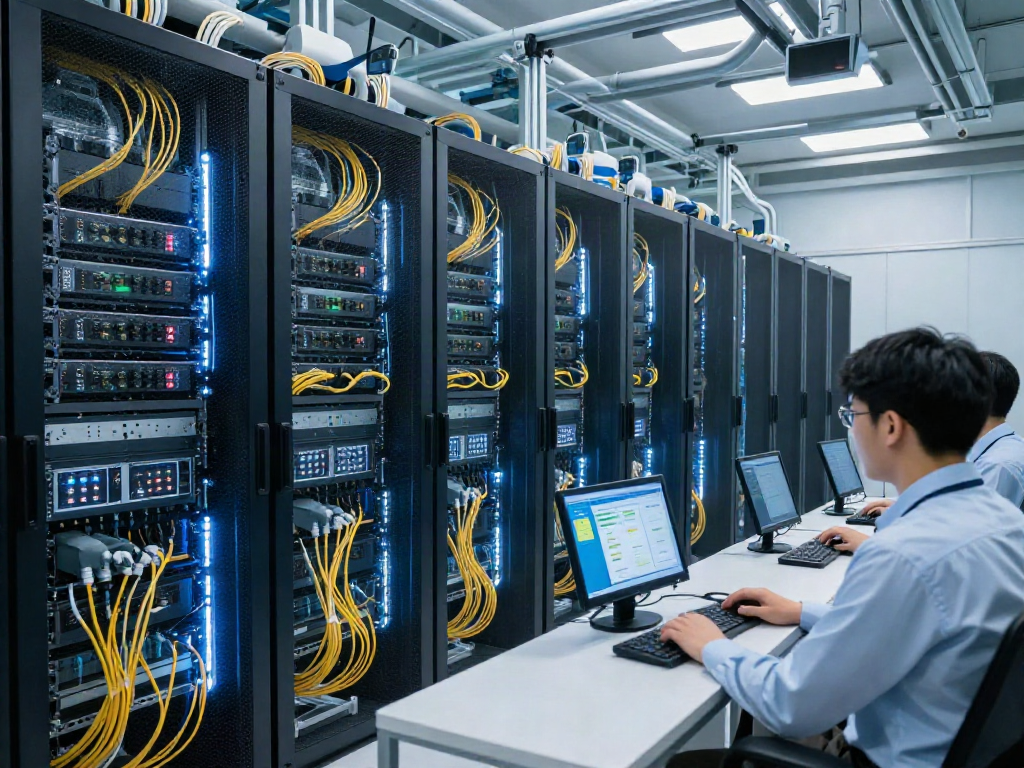
Fiber optic internet represents the cutting-edge of internet connectivity, utilizing strands of glass or plastic to transmit data. This technology allows for higher speeds, lower latency, and better reliability compared to traditional DSL or cable options. Fiber is particularly advantageous for homes with several devices connected simultaneously or for those engaging in bandwidth-intensive activities like 4K streaming or online gaming.
- Fiber Pros: Extremely high speeds, incredible reliability, and low latency.
- Fiber Cons: Limited availability in some regions, potentially higher costs.
5G and LTE Homespots: Pros and Cons
The advent of 5G technology brings a new perspective to home internet options, particularly in areas where traditional wired connections may be lacking. LTE and 5G homespot solutions provide wireless connectivity via cellular networks, making them appealing for users in rural or underserved regions. While 5G offers unprecedented speed and low latency, assessing the coverage and capacity of your specific location is imperative before opting for this solution.
- 5G Pros: High speeds, low latency, wireless convenience.
- 5G Cons: Not universally available, network congestion possible.
- LTE Pros: Availability in rural areas, ease of setup.
- LTE Cons: Potentially lower speeds than wired options.
Comparing Internet Plans: Key Features to Consider
Choosing an internet plan involves more than just assessing base speeds; a holistic comparison can reveal the best value. Key features to consider include your usage patterns, data caps, and potential bundling options with other services.
Assessing Speed Needs for Streaming and Gaming
It's vital to evaluate your household's internet usage. For content streaming on multiple devices or online gaming, higher speeds and bandwidth are necessary to ensure a seamless experience. Households engaging in simultaneous streaming or gaming can benefit from plans offering at least 100 Mbps.
Data Caps: What to Look Out For
Data caps can significantly impact your internet experience, especially for heavy users. While some providers offer unlimited data, others impose strict limitations leading to throttling once you exceed set thresholds. This is particularly important for households that utilize services like Netflix, online gaming, and frequent large downloads.
Bundling Internet with Other Services: A Cost Analysis
Many internet service providers (ISPs) offer bundling options that include television and phone services, potentially leading to savings. However, ensure that the bundled services match your needs to avoid paying for unnecessary features. Always compare standalone prices to determine if the bundle is truly the most cost-effective option.
How to Optimize Your Internet für Zuhause Experience
Once you have selected the ideal internet solution, optimizing your home network can greatly enhance your experience. Simple adjustments and the right tools can make a significant difference in your connectivity.
Router Placement and Wi-Fi Range Extenders
Proper router placement is essential for maximizing Wi-Fi coverage throughout your home. Position the router in a centralized location and elevate it away from obstructions. If your home has dead zones, consider using Wi-Fi range extenders or mesh networks to eliminate coverage gaps, ensuring every user can connect with optimal performance.
Smart Home Devices: Ensuring Compatibility
Incorporating smart home technology can create a more efficient living environment, but compatibility with your existing internet setup is crucial. Ensure your router can handle the additional traffic created by smart devices, especially if you have multiple devices operating simultaneously. Choosing a router with Quality of Service (QoS) features can prioritize bandwidth for critical devices.
Performance Monitoring Tools and Best Practices
Regularly testing your internet speed can help you understand your connection's performance. Utilize tools to monitor latency and bandwidth usage, which can offer insights into potential issues. Additionally, keeping your router's firmware updated ensures security and stability, contributing to a smoother internet experience.
The Future of Internet für Zuhause: Trends for 2026
As we look ahead to 2026, emerging technologies and trends in the ISP landscape are poised to redefine home connectivity.
Emerging Technologies Impacting Internet Services
Technologies such as satellite internet and enhanced 5G services will continue to break barriers in connectivity. With advancements in satellite constellations, users in the most remote areas will gain access to high-speed internet, addressing the digital divide.
Competitive Pricing Trends in the ISP Market
The ISP market is becoming increasingly competitive, leading to more attractive pricing and promotional offers for consumers. As carriers vie for users, expect to see more dynamic pricing structures and flexible service options that accommodate various consumer needs.
How AI and Machine Learning Enhance Service Delivery
Service providers are increasingly adopting AI and machine learning to enhance customer experience. These technologies can improve infrastructure efficiency by predicting peak usage times and potential downtimes. Additionally, AI-driven customer support through chatbots is gaining traction, providing efficient troubleshooting and assistance.
Choosing the Right Provider for Your Needs
With various ISPs available, selecting the right provider requires careful consideration. While cost is important, factors such as speed, reliability, and customer service should also weigh heavily in your decision.
Top Internet Service Providers: A Comparative Review
Researching local ISPs and reviewing plans side by side can illuminate the best choices available. Look for providers known for customer satisfaction and reliable service, examining consumer reports for real-life feedback.
Customer Service and Support: What to Expect
Good customer service is an invaluable asset when issues arise. Test potential providers by evaluating their customer service options, including availability, troubleshooting support, and online resources.
Switching Providers: Tips for a Smooth Transition
If you decide to switch providers, plan the transition to minimize downtime. Contact your new provider to schedule installation while ensuring your current service remains active until the new service is established. Notify your current ISP of your cancellation, and confirm the closing of your account once the new service is operational.
FAQs
What is the fastest Internet option available for home users?
At present, fiber optic technology is generally recognized as the fastest option for residential connectivity, offering substantial speeds that can exceed 1 Gbps in some areas.
How do I know if I am paying too much for my Internet?
Comparative research is key; assess your current plan against others in your market with similar speeds and services to determine if your rate is competitive. Regularly watching for promotional offers from ISPs can also provide budgeting insights.
What should I consider when upgrading my Internet plan?
Prioritize your household's internet usage needs—how many devices are used simultaneously, streaming requirements, and the necessity of download speeds—when contemplating an upgrade.